
EarBase
What We Do
Communication disorders: our search for cures
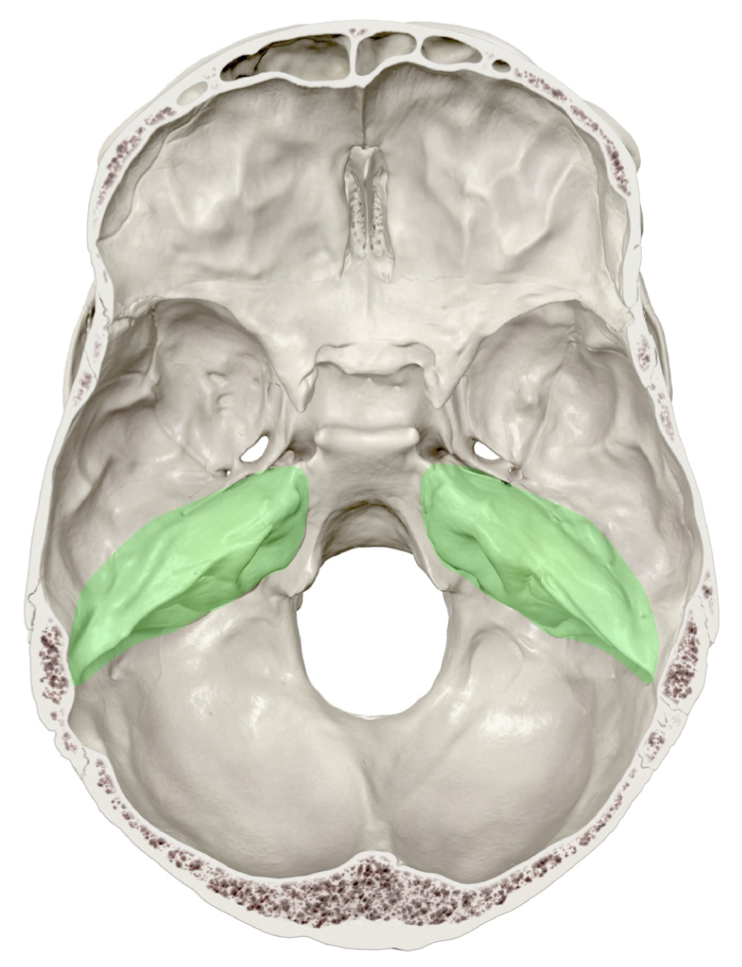
Specialized structures in the skull and brain are responsible for our senses of hearing, balance, and taste, as well as our capacity for voice, speech, and language. The temporal bones, located on both sides of the skull, contain the organs of hearing and balance, as well as nerves important for taste and the control of muscles in your face for expressions, like smiling. The brain is connected to these structures and interprets the signals it receives. Injury or disease involving the temporal bone and brain are responsible for many of the communication disorders and other health problems, listed here.
Temporal Bone
- Hearing loss
- Dizziness
- Vertigo
- Tinnitus
- Infections
- Ear pain
- Facial paralysis
- Tumors
- Dry eye
- Altered taste
Brain
- Stroke
- Dementia
- Stuttering
- Aphasia
- Autism
DNA
- Congenital disorders
- Hereditary hearing loss
- Craniofacial disorders
Treatments and Cures
Over many decades, clinicians and researchers have worked to develop treatments and technologies to improve the lives of people with communication disorders. Some familiar examples are:
- Hearing aids and cochlear implants
- Surgical correction and reconstruction
- Antibiotics and other medications
- Gene therapy
- Rehabilitation
Tissue donations: the backbone of discovery
Unfortunately, effective treatments are not available for the majority of communication disorders, which is why we continue to search for cures through research. Tissue donations form the backbone of the discoveries that lead to cures and provide training for the clinicians in our field.
We encourage and support the donation of temporal bones, brain or DNA to advance our mission to improve the lives of current and future generations. Please visit our donation website to learn more.